Case Study — GlucoGuard
This system helps diabetic patients stay safe by tracking glucose levels in real time and alerting caregivers during critical drops. The redesigned experience improved clarity for patients and responders, increased user trust with a more intuitive interface, and enabled faster emergency response.


Role
UI/UX Contributor
Client
Jewish Healthcare Foundation
Duration
5 Months
Industry
Healthcare (Patient Safety)
Background Information
GlucoGuard enhances hypoglycemic patient safety by providing realtime glucose monitoring and automated emergency alerts, significantly reducing preventable harm and improving health outcomes.
Families live with constant anxiety when glucose drops aren't followed by action.
Clinicians face data overload, struggling to seperate noise from signals
Regulatory demands add friction, making flows heavy and unintuitive.
Device lock-ins (Dexcom, Libre, Medtronic) leave patients stuck in silos.
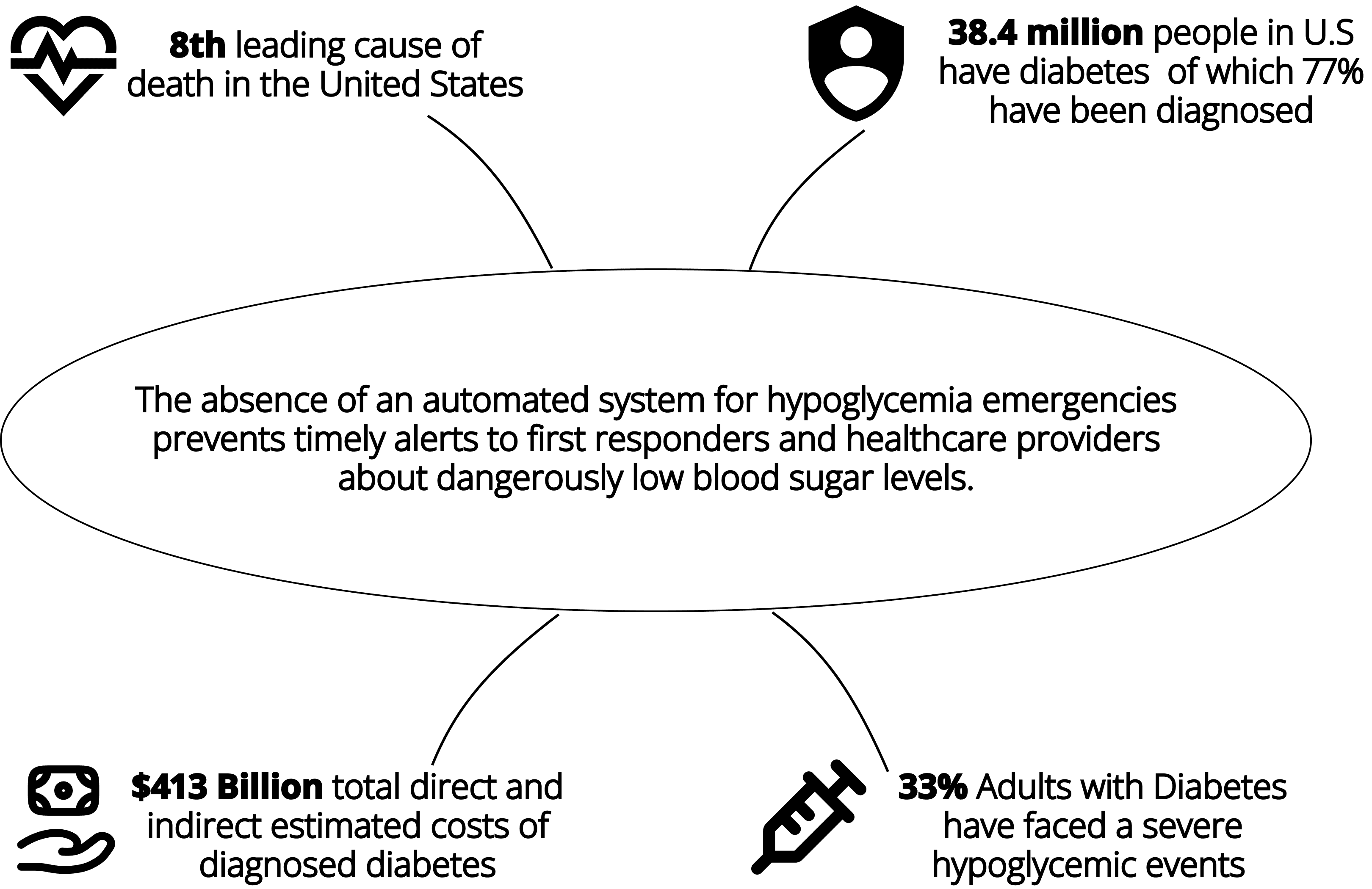
Problem
Stats
Problem Statement
Hypoglycemic episodes remain one of the most dangerous risks for individuals living with diabetes. When blood glucose levels drop suddenly, patients may lose consciousness before recognizing the warning signs.
Delayed intervention can lead to seizures, coma, cardiac failure, or even death. While continuous glucose monitors provide alerts, many systems fail to escalate emergencies effectively or connect patients with immediate help when they are unable to respond.
The challenge was to design a system that detects critical glucose drops early and ensures rapid assistance through automated alerts and connected monitoring.
Project goals
To increase user engagement and retention
Reduce drop-offs during onboarding
Raise goal completion rates
Strengthen organic growth via clear value communication in web + app plaatforms.
Prioritizing the problem
Early research revealed that the issue was not simply monitoring glucose levels but responding to emergencies quickly enough.
Key challenges included:
• Patients often ignore or miss alerts during sleep or daily activities
• Family members and caregivers lack real time awareness during emergencies
• Emergency responders receive delayed or incomplete information
• Existing tools focus on tracking data rather than preventing medical crises The goal became clear. The system needed to shift from passive monitoring to proactive intervention.
Research & Insights
Interviews were conducted with individuals living with diabetes, caregivers, and emergency service personnel.
Key insights emerged:
• Patients fear severe nighttime hypoglycemia because symptoms may go unnoticed
• Caregivers want reassurance that they will be notified during emergencies
• Emergency responders need faster access to patient health data
• Current glucose monitoring tools focus heavily on tracking but not on emergency response
The research highlighted the need for a system that bridges the gap between monitoring data and life saving intervention.
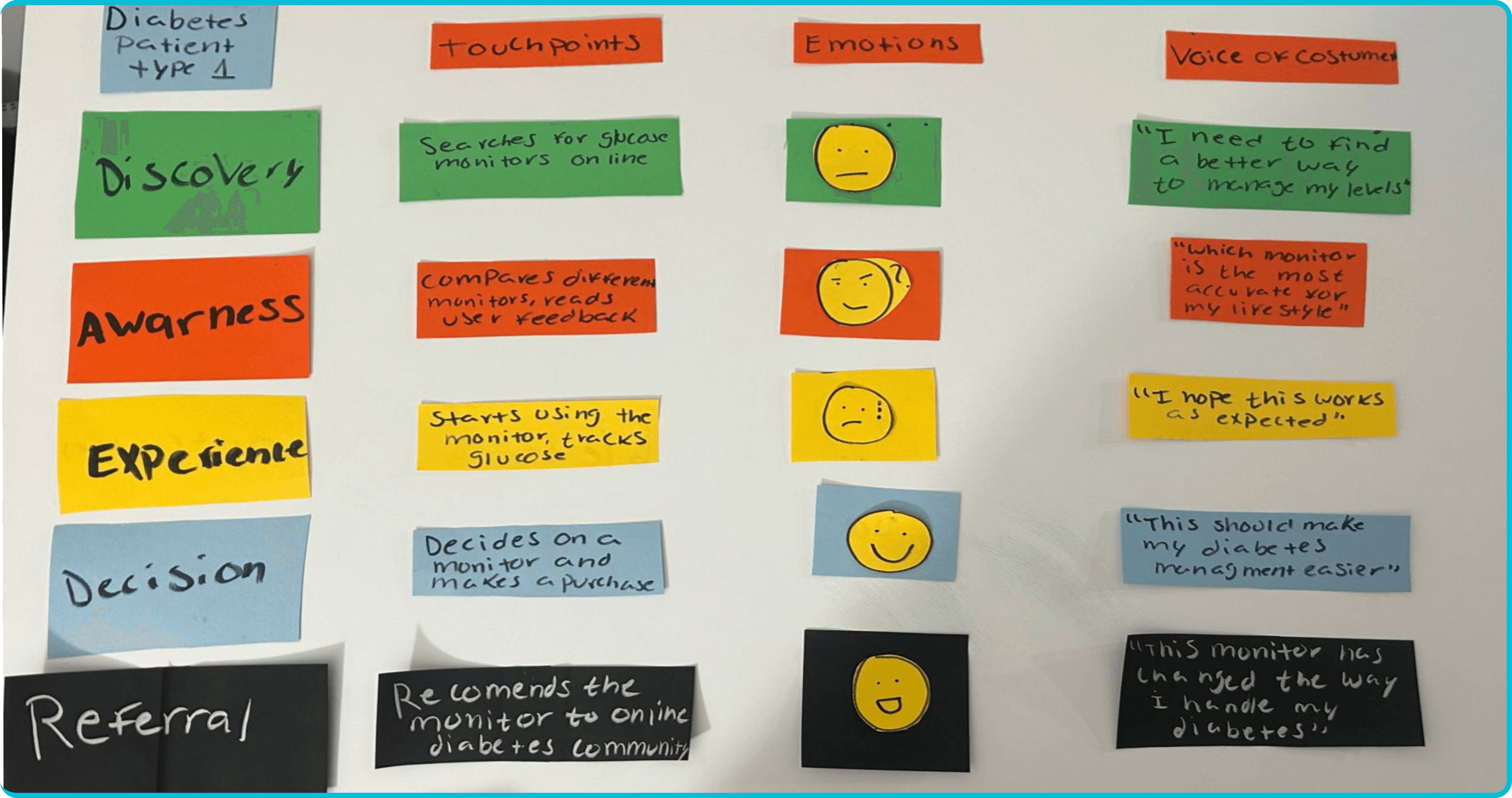

Usability Tests
To understand the current landscape, usability testing focused on 2 leading glucose monitoring systems:

Usability Test #1- Medtronic CGM
“The alerts are helpful, but sometimes there are too many notifications. It becomes easy to ignore them after a while.”
Testing showed that frequent alerts can lead to notification fatigue. While the system provides valuable data, users often become desensitized to warnings, increasing the risk of missing critical alerts.

"Usability Test #2- FreeStyle Libre"
“I can scan and see my numbers easily, but it doesn’t always warn me early enough when things drop suddenly.”
FreeStyle Libre simplifies glucose tracking but relies on manual scanning and limited proactive alert systems.
Requirements
With these discoveries, the team began formulating a system that could move beyond monitoring and actively protect patients during critical events.
Core requirements included:
• Real time glucose monitoring with predictive alerts
• Automated emergency escalation during severe hypoglycemia
• Notifications sent to caregivers and emergency services
• Simplified dashboards for quick status checks
• Reliable connectivity between patient devices and emergency networks
• Clear visual indicators of glucose trends and risk levels
These requirements guided the development of the GlucoGuard solution.
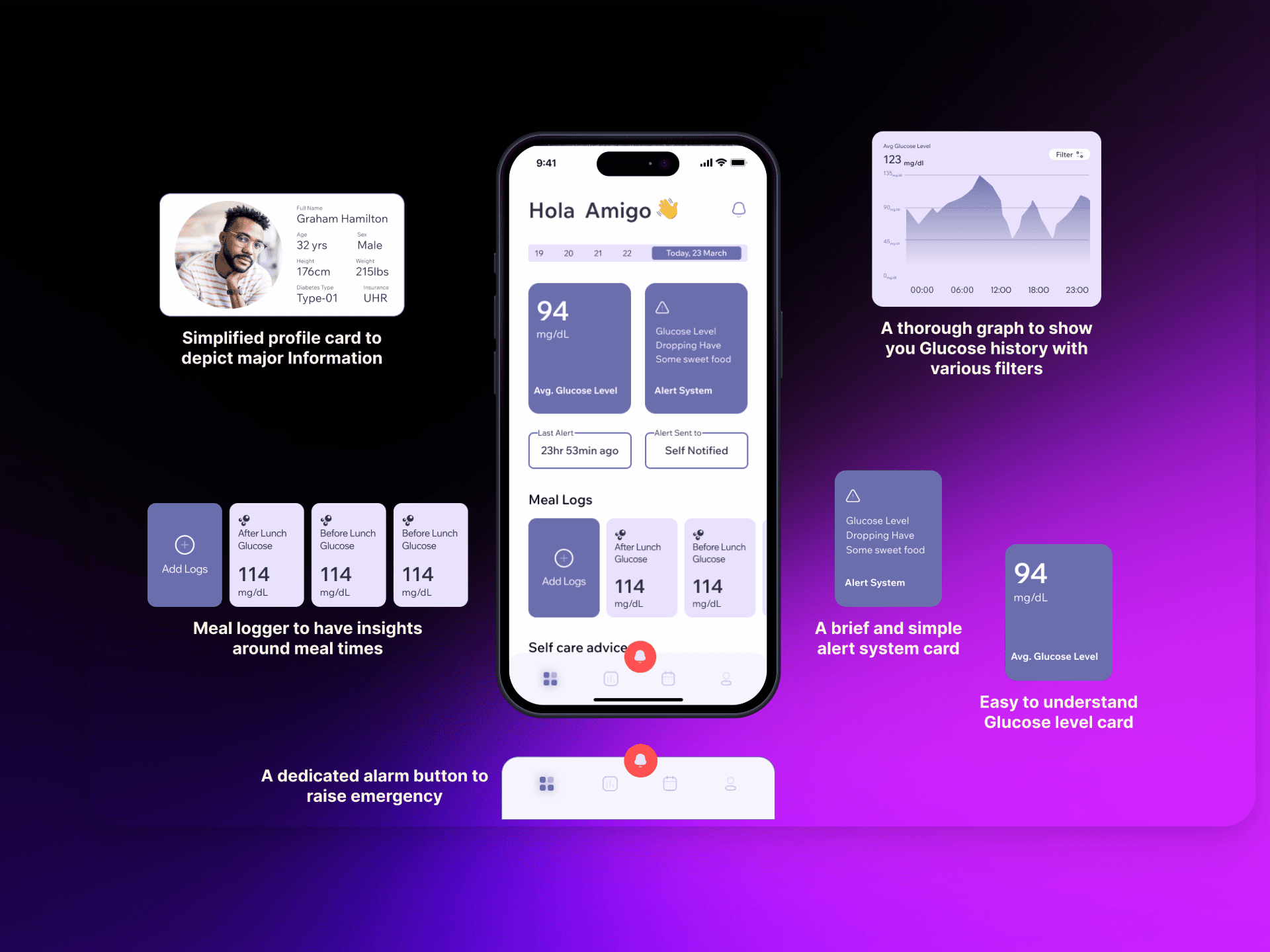
User Segments Identified
Three primary user groups were identified:
Patients Living With Diabetes:
Individuals who require continuous glucose monitoring and timely alerts.
Caregivers and Family Members:
People responsible for monitoring patient health and responding during emergencies.
Emergency Medical Responders:
Professionals who need immediate access to critical health information during medical incidents.
User Persona
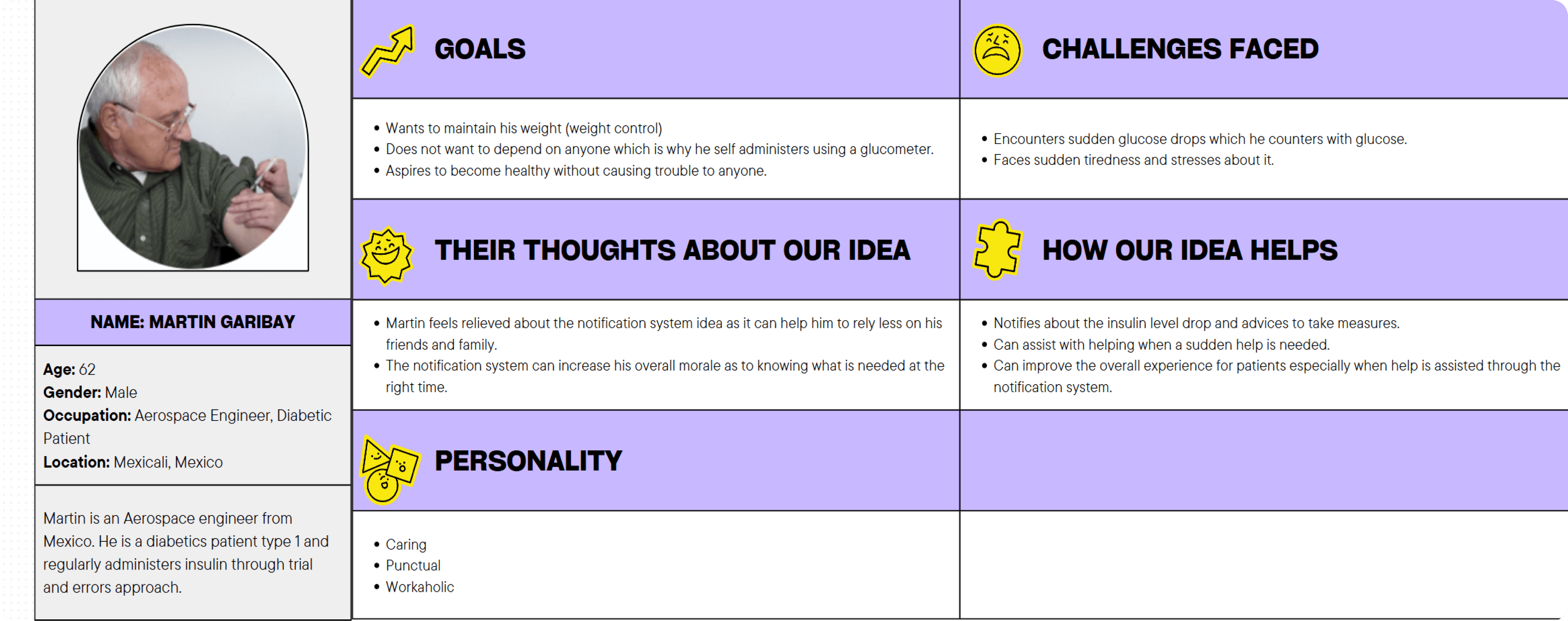
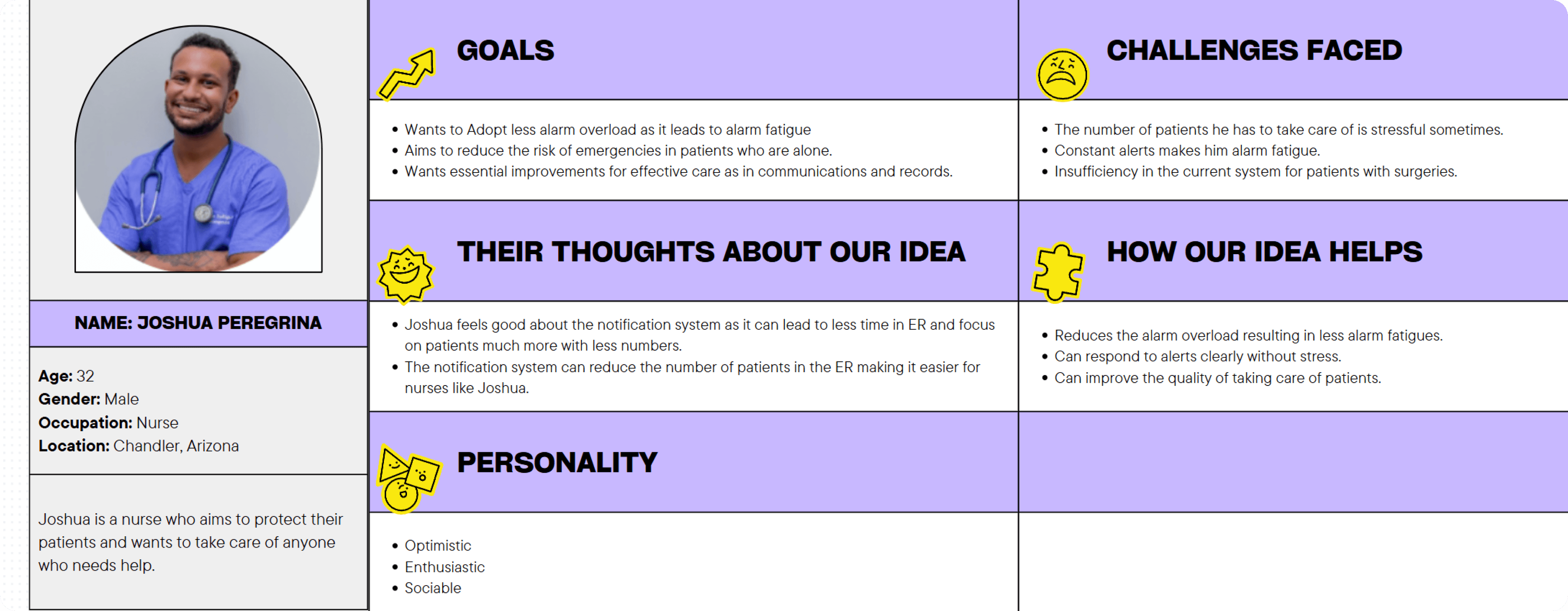
Conversations with patients, caregivers, and providers emphasized accurate monitoring, user-friendly tools, real-time data sharing, and integrated solutions, highlighting the need for collaboration to address their priorities of education and prevention.
Solutions
GlucoGuard was designed as a connected safety system rather than a simple monitoring tool.
The solution focuses on 3 pillars:
Early Detection:
Predictive monitoring identifies dangerous glucose drops before symptoms escalate.
Automated Emergency Alerts:
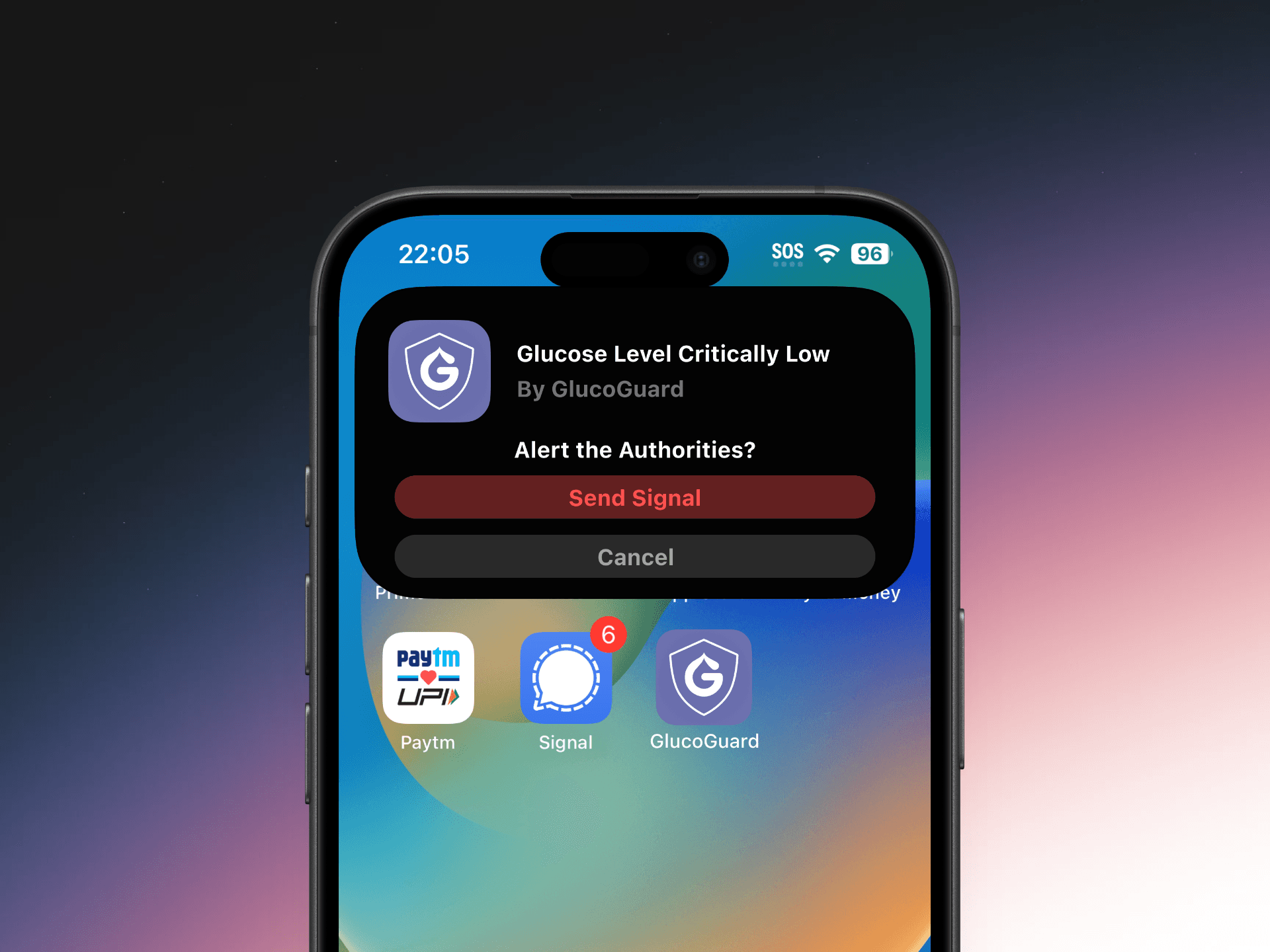
When glucose levels reach critical thresholds, the system automatically notifies caregivers and emergency services.
Connected Monitoring:
Patients, families, and healthcare providers receive real time updates through a shared monitoring network.
Design
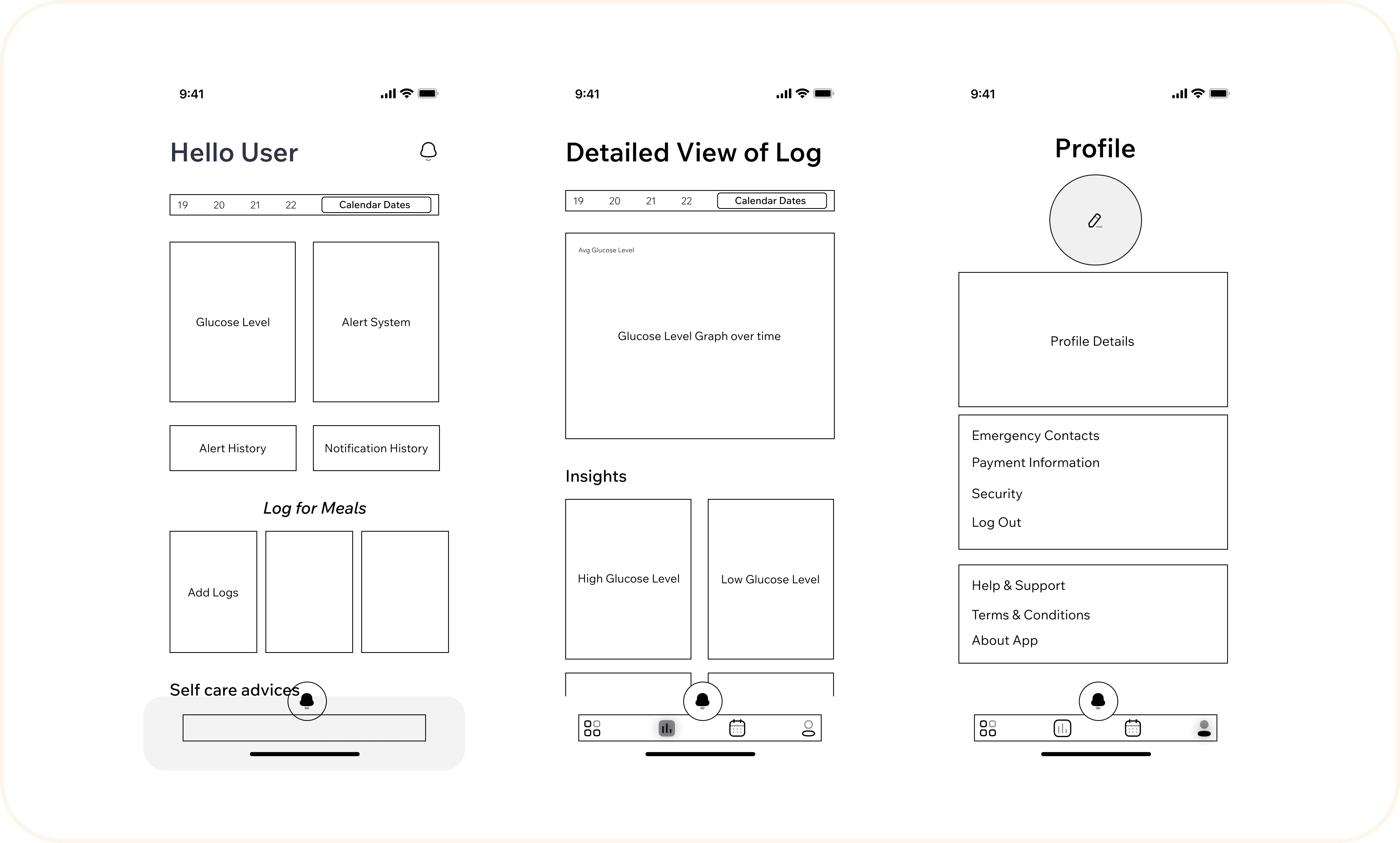
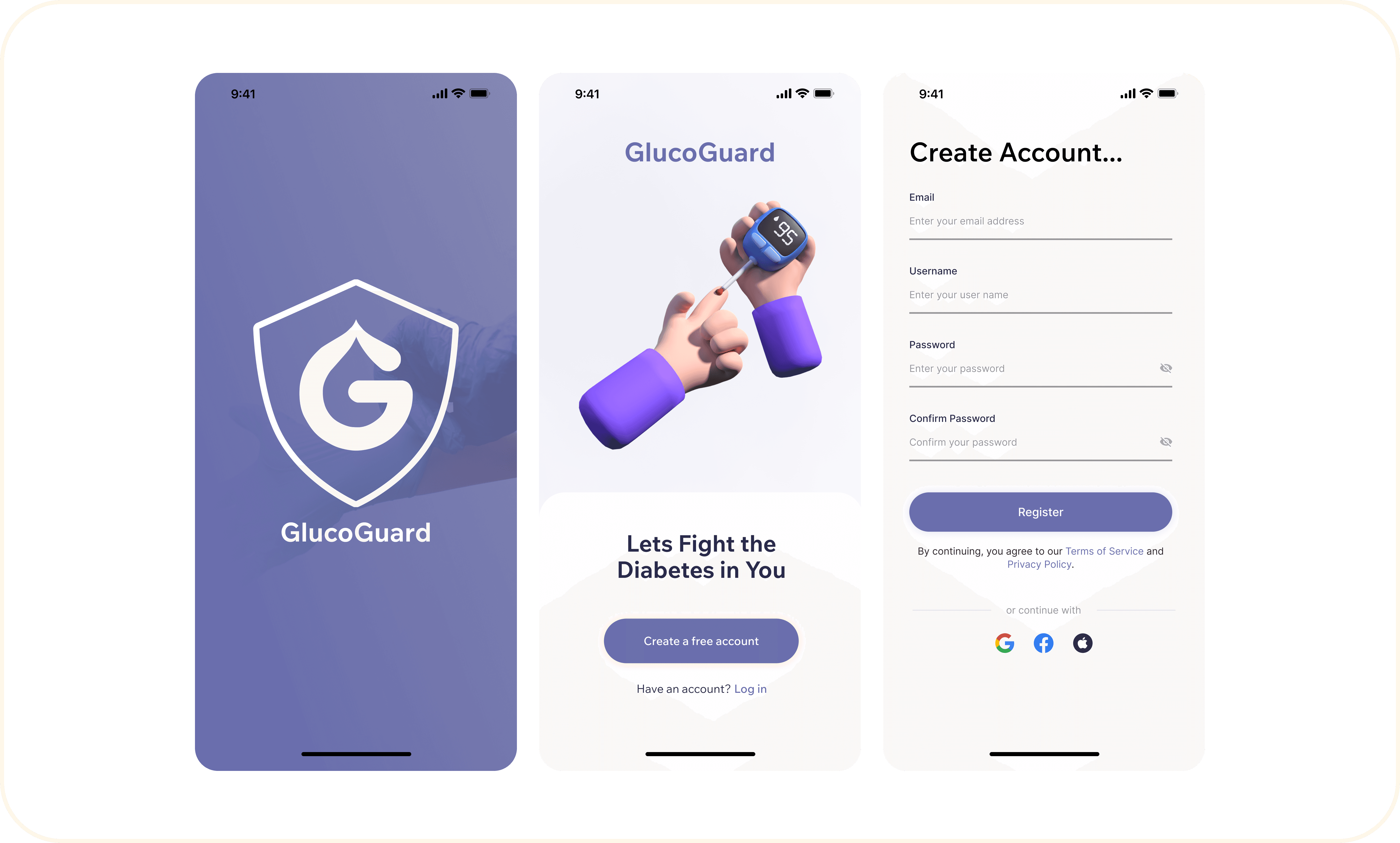
The interface was designed to prioritize clarity and urgency during critical moments.
Key design elements included:
Real Time Monitoring Dashboard Displays current glucose levels, trends, and risk indicators.
Emergency Alert System Automatically triggers alerts to caregivers and emergency responders when thresholds are crossed.
Caregiver Monitoring Interface Allows family members to monitor patient status remotely.
Simplified Interaction Model Ensures that critical alerts and information are immediately visible and actionable.
The design ensures that users can quickly understand their status and respond when necessary.

Conclusion
GlucoGuard reimagines glucose monitoring as an intelligent safety system.
By combining predictive alerts, automated emergency escalation, and connected monitoring, the solution addresses one of the most critical risks faced by individuals living with diabetes.
The system improves response times during hypoglycemic events, strengthens communication between patients and caregivers, and ultimately reduces the likelihood of severe medical outcomes.

Latest Project